
Rotation of Power: A Theory of Democratic Competition
Elections without the possibility of rotation of power are rituals, not democracy

Welcome to Rotation of Power!
Rotation of Power means that leadership changes hands in a peaceful and orderly way from one party or leader to another. It is a cornerstone of democracy, ensuring that no single group holds on to power indefinitely. Through free and fair elections, citizens choose their leaders, and when terms end, power is transferred smoothly. This process prevents authoritarianism, encourages accountability, and allows new ideas and policies to emerge, keeping governance fair, balanced, and representative of the people’s will.
Stories and Cases
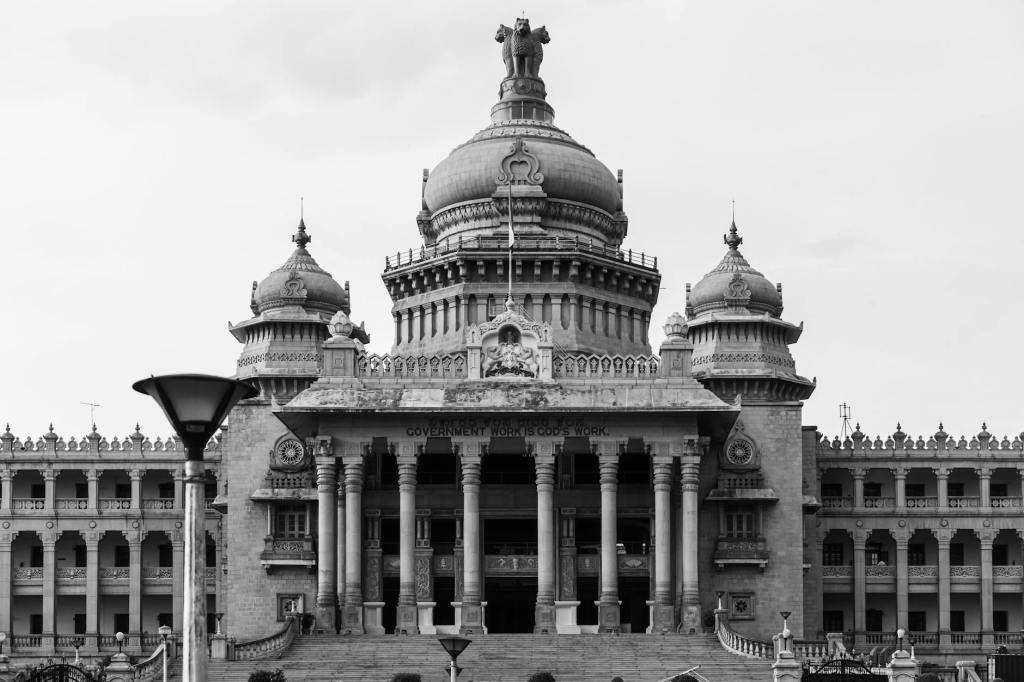
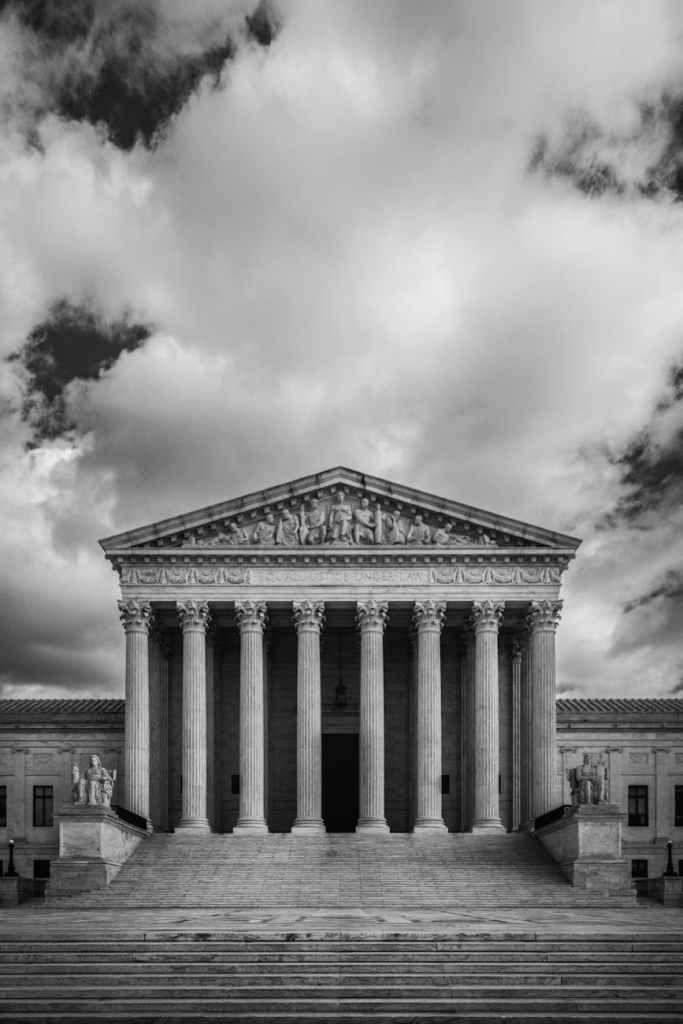
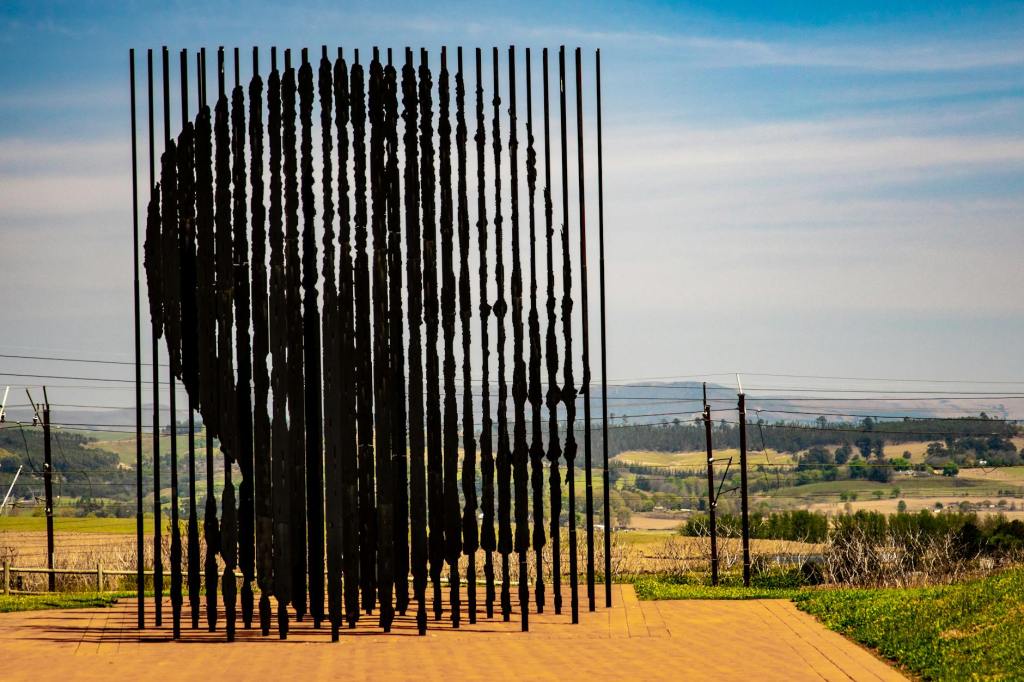
Explore the carousel of cases and real-world stories that reveal how the rotation of power can be distorted — as well as instances where constitutional systems have successfully safeguarded it.


Public Perceptions of the Rotation of Power in Democracy
- How would you define a healthy democracy?
- How important is it that political power rotates between different parties or leaders?
- Do you believe current leaders in your country are willing to leave power when their term ends?
Activities
- Constitutionalism and Rotation of Power at Constitutionalism & Legal Theory Workshop at Aegina, Greece, Sep 5-6
- Building Trust in Rotation of Power at Constitutions 4 Peace Conference, Miami, Nov. 14-16
“Democracy for all people, in all times, in all places”
Antonios Kouroutakis
Associate Professor, IE University, Spain
 Home
Home 