
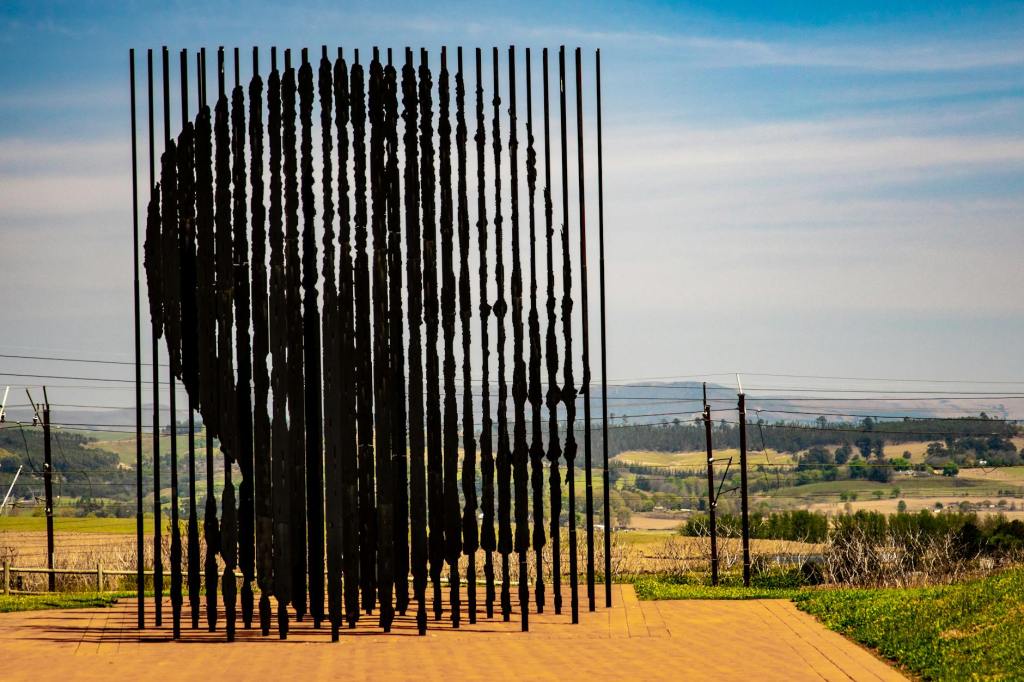
Few figures in modern history embody the spirit of justice and reconciliation as profoundly as Nelson Mandela. Born in 1918 in South Africa, Mandela would become a global symbol of courage, equality, and the triumph of democracy over oppression. His life’s journey — from activist to prisoner to president — is a story of unwavering conviction and moral leadership.
In the face of apartheid, South Africa’s brutal system of racial segregation, Mandela dedicated his life to the pursuit of equality and human dignity. As a young lawyer and leader in the African National Congress (ANC), he organized resistance movements, strikes, and campaigns against laws designed to oppress the Black majority. His belief in a democratic, nonracial South Africa made him a target of the apartheid regime, yet he never wavered in his conviction that freedom is indivisible.
In 1962, Mandela was arrested for his role in anti-government activities and later sentenced to life imprisonment in the infamous Rivonia Trial. He would spend 27 years behind bars enduring harsh conditions and isolation. Yet, imprisonment did not break him; instead, it transformed him into a figure of global moral authority.
In early 1990, as apartheid began to crumble under internal resistance and international pressure, Mandela was finally released. His release marked the beginning of a new chapter in South Africa’s history. Instead of seeking revenge, Mandela championed reconciliation and dialogue, understanding that peace was the only path forward for a deeply divided nation. Four years later, in 1994, South Africa held its first democratic elections — and Mandela became the country’s first Black president.
As president, Mandela played a pivotal role in shaping South Africa’s new Constitution. It enshrined equality, human rights, and the rule of law — values Mandela had spent his life fighting for. The document became the cornerstone of a new democratic order, emphasizing not only freedom but also accountability and shared governance.
Perhaps one of Mandela’s greatest legacies was his decision to step down after his term in office. In a continent where many leaders sought to cling to power, Mandela’s departure sent a powerful message: that democracy is strengthened not by the accumulation of power, but by the peaceful and principled rotation of power.
 Home
Home 
Leave a comment